


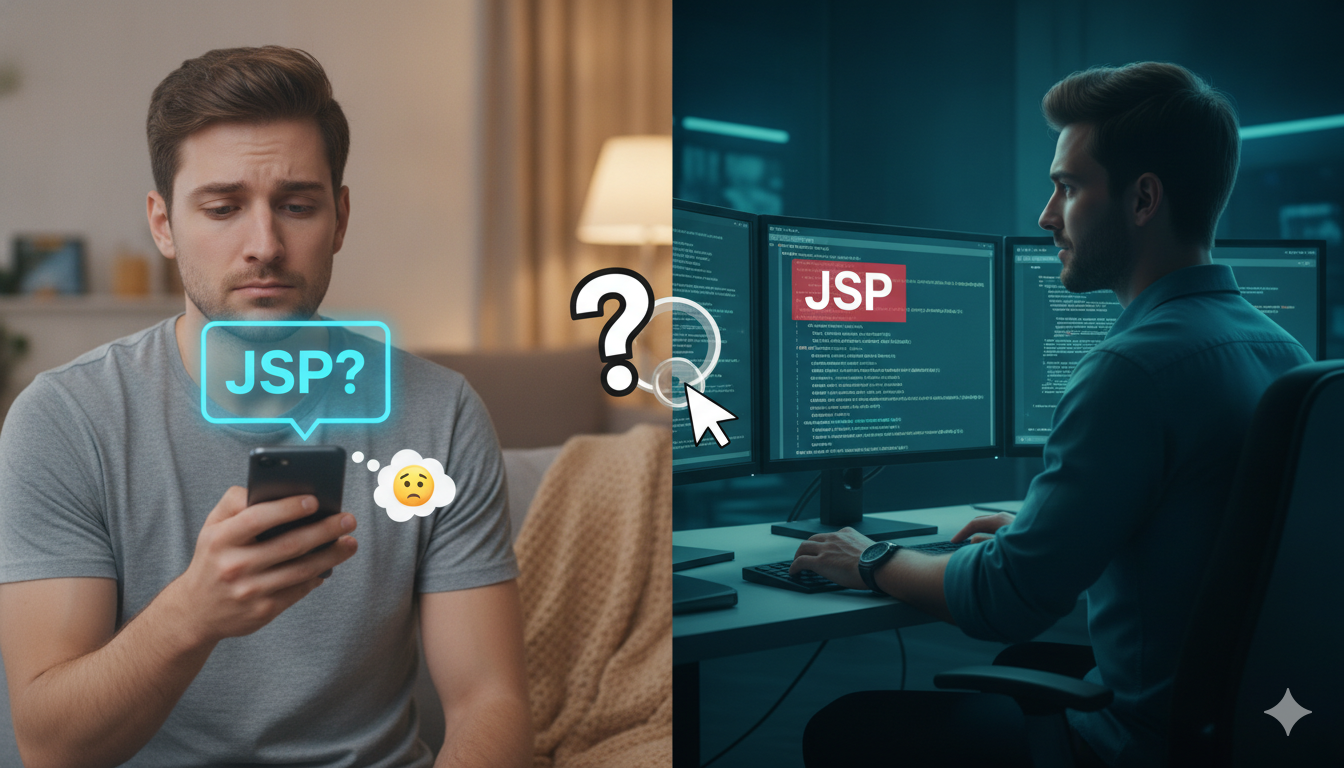
Have you ever been scrolling through your favorite social media app or checking a text message and stumbled across the letters “JSP”? It can leave you feeling a bit confused. You might ask yourself, what does jsp mean in this casual chat? On the other side of things, if you are a web designer or computer programmer, you might see these exact same letters sitting at the end of a website file name.
It turns out that this tiny three-letter shortcut wears a lot of different hats depending on where you see it. It can change from a friendly digital shrug to a high-powered piece of software code in the blink of an eye. This guide will unpack every single angle of this acronym so you never have to guess again. We will look at everyday text chains, global social media trends, and technical programming settings to give you the full picture.
What Does JSP Mean in Texting?
When you see these letters pop up on your phone screen during a casual chat, it usually points to global internet slang. Specifically, it comes from the French phrase “Je sais pas”, which translates directly to “I don’t know” in English. Thanks to global platforms like TikTok, Snapchat, and Instagram, this phrase has travelled far outside of France.
Teenagers and young adults around the world use it as a faster, more casual alternative to the classic English shortcut “IDK”. It is an effortless way to show you are unsure about a question without typing out a long sentence. If a friend asks you what time you want to meet up for lunch and you have not checked your schedule yet, replying with a quick “jsp” lets them know you are still figuring things out.
The Rising Slang Trends on Snapchat and TikTok
Social media apps thrive on speed and short responses. On apps like Snapchat and TikTok, typing out full words can feel too slow for fast-paced direct messages. Because these apps connect people from all over the world, multilingual shortcuts cross over into regular English conversations very easily.
Using this acronym gives your messages a very relaxed, cool, and slightly mysterious tone. It signals to the other person that you are relaxed and unbothered by the details. Sometimes, people will even add a simple shrug right next to the letters to make their lack of knowledge completely obvious. It has quickly become a staple for younger generations who love blending different languages into their daily digital vocabulary.
What Does JSP Mean from a Girl or a Boy in Chat?
Context is everything when you are talking to someone special. If a girl or a boy sends you this phrase during a late-night chat, they might be using it to keep the conversation light, playful, or a little vague. It acts as a safety net when someone is not quite ready to commit to a direct answer.
For example, if you ask someone, “What do you think of me?” and they reply with “jsp, you’re fun I guess,” they are using the “I don’t know” meaning to play hard to get. It keeps you guessing while keeping the vibe completely stress-free. Understanding this subtle tone can help you read between the lines and respond with the same level of casual energy.
Is It Ever Used as “Just Saying Please”?
While the French translation is the reigning champion of the texting world, there is a secondary, much rarer English slang meaning you might run into. In a few small internet circles, people use it as a short way to say “Just Saying Please”.
This version is usually slapped onto the very end of a request to make a demand sound softer and friendlier. For example, someone might type, “Can you please bring me a glass of water jsp?” It acts as a polite, gentle nudge. However, because this version is not very common, you should use it carefully so your friends do not think you are accidentally speaking French or talking about computer programming.
What Does JSP Mean in Coding and Technology?
If you step out of the social media world and walk into a professional tech office, the definition changes completely. In computer science, it stands for JavaServer Pages, which is an older but highly reliable technology created by Sun Microsystems back in 1999. Today, it is officially known as Jakarta Server Pages.
This system helps developers build dynamic websites. A dynamic website is a web page that can change its content depending on who is looking at it, what time it is, or what information is stored in a central database. Unlike a static page that stays the same for everyone, this tool allows a website to feel interactive and alive for every single visitor.
How Do JavaServer Pages Actually Work?
To understand this technology, imagine ordering food at a restaurant. When you type a web address that ends in .jsp into your browser, you are placing an order with a massive computer called a web server. The server looks at the file and notices special tags that look like <% ... %>. Inside these tags sits active Java code.
The web server processes this hidden code behind the scenes, pulls any necessary information from its database, and converts everything into clean, simple HTML. Finally, it sends that finished HTML back to your device. Your phone or computer screen displays the final beautiful layout, while all the heavy lifting and math happen safely back on the server.
Comparing the Different Uses of JSP
Because this acronym covers so many different worlds—from hunting gear and military history to coding languages and global teen slang—it helps to look at them side by side.
| Setting / Context | What It Stands For | Simple Meaning & Main Use |
| Social Media & Texting | Je sais pas (French) | Means “I don’t know.” Used for fast, casual replies on apps. |
| Web Development | JavaServer Pages | A programming tool used to build interactive, changing websites. |
| Hunting & Ballistics | Jacketed Soft Point | A type of bullet bullet design with a soft, exposed nose. |
| Rare Text Slang | Just Saying Please | A polite way to soften a casual favor or request. |
Key Differences Between JSP and JavaScript
A very common mistake for beginners is confusing JavaServer Pages with JavaScript because both words start with the word “Java.” However, these two tools are completely different animals that do totally separate jobs on the internet.
The main difference comes down to where the computer code actually runs. JavaServer Pages is a server-side tool, meaning all the heavy processing happens on a distant company computer before the webpage ever reaches your eyes. JavaScript, on the other hand, is mostly a client-side tool. This means the code runs directly inside your personal web browser, handling quick animations, pop-up windows, and immediate visual changes on your screen.
The Ballistics Meaning: Jacketed Soft Point
If you are chatting with someone who loves outdoor sports, hunting, or target practice, they will have a completely different answer to our main question. In the firearms and ballistics world, the letters stand for Jacketed Soft Point.
This refers to a specific type of ammunition bullet. This bullet features a hard metal outer shell, but the very tip leaves the soft lead core completely exposed. When the bullet hits a target, the soft nose expands slowly and evenly. This design is highly popular among deer hunters because it delivers a clean, humane shot without completely tearing apart the target.
Real-World Examples to Help You Spot the Difference
Telling these meanings apart is quite simple once you look at the clues around the letters. The setting gives away the answer every single time. Here are a few quick scenarios you might encounter:
- Scenario A: You ask your friend on Snapchat if they want to go to the movies tonight. They reply with: “jsp 🤷 maybe later.” This is obviously the French slang meaning “I don’t know.”
- Scenario B: You are looking at the web address bar while buying shoes online and see
index.jsp. This is the coding world meaning JavaServer Pages. - Scenario C: You are reading a hunting magazine or a sports catalog and see a box of rifle ammunition marked 9mm JSP. This stands for Jacketed Soft Point.
Summary of the Multi-Faceted Acronym
At the end of the day, language is an evolving tool that adapts to whatever we need it to do. A single acronym can easily live in a teenager’s phone chat, a developer’s computer script, and a hunter’s supply kit all at the same time. Staying aware of these shifts keeps you sharp, helps you communicate clearly, and prevents silly misunderstandings across different circles of friends and colleagues.
Frequently Asked Questions
What does jsp mean in a Snapchat text?
On Snapchat, it almost always means “je sais pas,” which is French for “I don’t know.” It is a fast text shortcut used by global internet users to say they are unsure about something.
Is JSP better than JavaScript?
They cannot really be compared because they do different jobs. One runs on a web server to build the base of a page, while JavaScript runs inside your personal browser to make the page interactive.
Should I use jsp in my work emails?
No, it is best to avoid using this slang in professional emails. Your coworkers might think you are talking about a technical web development file rather than trying to be polite or saying you don’t know.
What language is JSP coding based on?
JavaServer Pages are built entirely on top of the Java programming language, which means it can use all of Java’s powerful tools to connect to databases and secure data.
Is JSP still used by web developers today?
Yes, but it is mostly used to maintain older website systems. Modern web developers usually prefer newer tools like React, Vue, or Thymeleaf to build fresh applications.
What does JSP mean in hunting?
In hunting and shooting sports, it stands for Jacketed Soft Point, which describes a bullet with a hard shell and an exposed soft tip for controlled expansion.
Conclusion
Now that you know all the different sides of this versatile acronym, you can confidently spot the difference whether you are browsing a text thread or studying computer tools. Have you ever noticed this abbreviation on your phone or in a website link before? Let us know your experiences in the comments section below, and feel free to share this guide with a friend who might still be scratching their head over it!
