


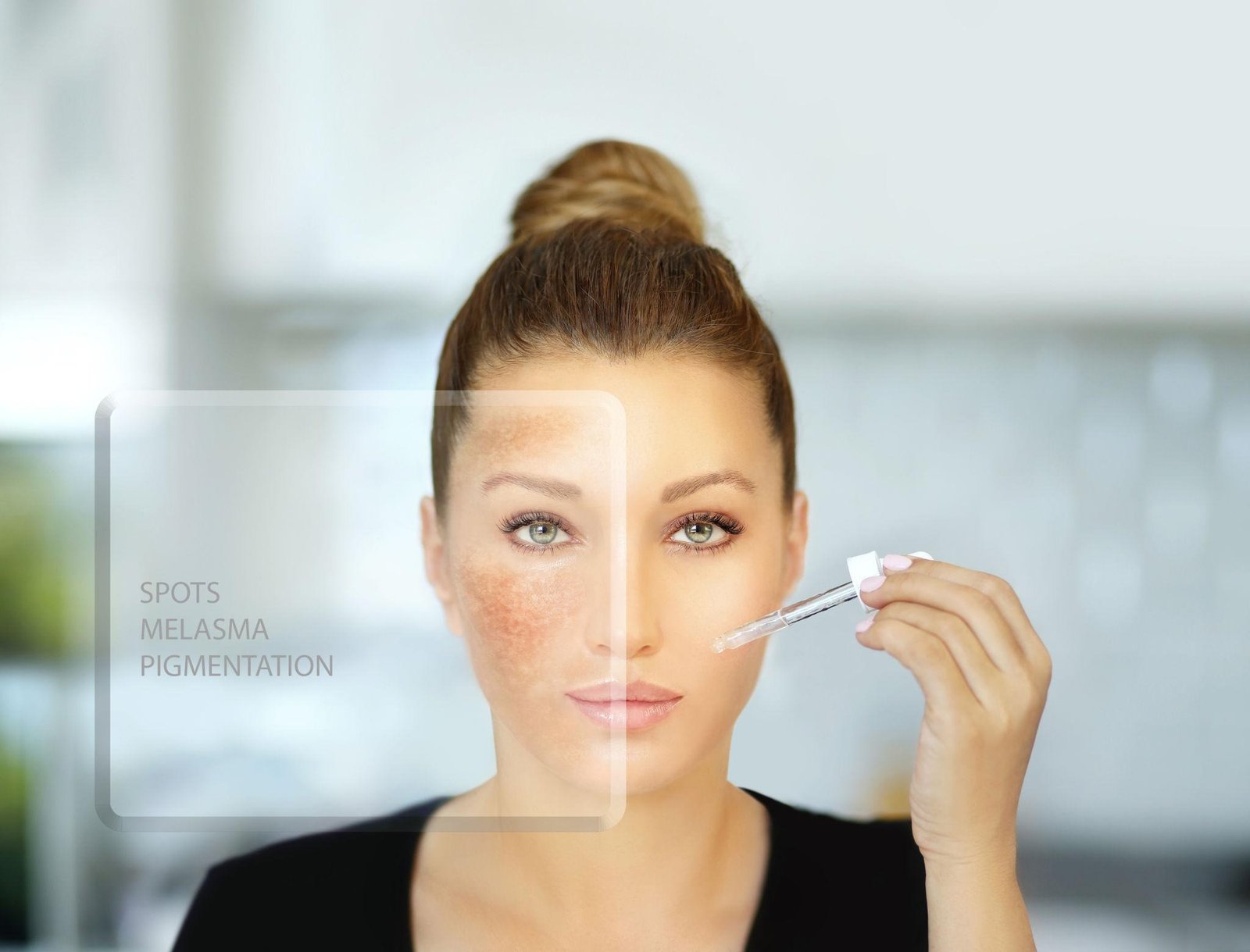
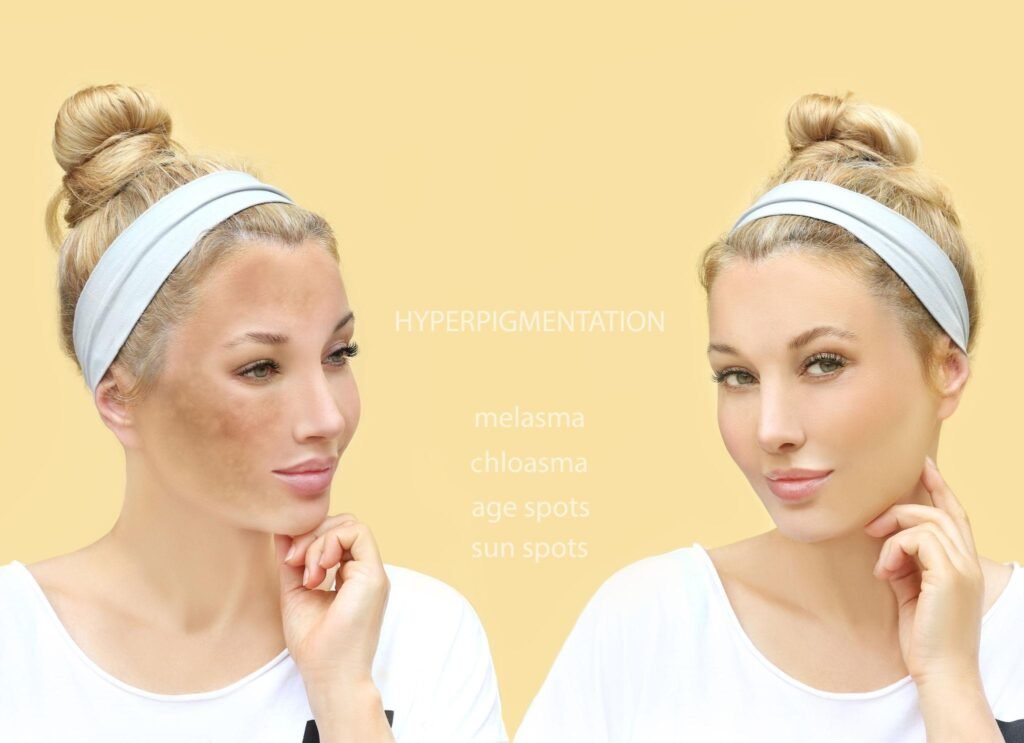
4% Hydroquinone cream, including products such as Melalite, remains one of the most widely used dermatological treatments for melasma and persistent hyperpigmentation. Hydroquinone has been used in clinical dermatology for decades because of its ability to directly reduce excess melanin production inside the skin.
Unlike cosmetic brightening creams that mainly provide temporary surface-level effects, hydroquinone works at the pigment-production level, making it significantly more effective for stubborn discoloration disorders.
Melasma and hyperpigmentation can be difficult to manage because they are often influenced by multiple triggers including hormones, inflammation, ultraviolet exposure, and skin injury. For many patients, topical hydroquinone remains one of the core treatment options in long-term pigmentation management plans.
What 4% Hydroquinone Cream Is Used For
Hydroquinone 4% cream is commonly prescribed for:
- Melasma
- Post-inflammatory hyperpigmentation
- Acne-related dark spots
- Sun-induced pigmentation
- Uneven skin tone
- Persistent discoloration after irritation or inflammation
Many pigmentation disorders develop because melanocytes produce excessive melanin in response to inflammatory or hormonal triggers.
Conditions such as melasma are especially challenging because they tend to recur even after successful treatment if triggers remain uncontrolled.
For a detailed overview of usage instructions, treatment expectations, and application recommendations, see this guide on how 4% Hydroquinone cream (Melalite) is used for melasma and hyperpigmentation treatment:
4% hydroquinone cream treatment guide
How Hydroquinone Works Inside the Skin
Hydroquinone primarily works by inhibiting tyrosinase, a key enzyme involved in melanin synthesis inside pigment-producing cells called melanocytes.
By reducing melanin production:
- New pigment formation slows down
- Existing dark patches gradually fade
- Skin tone may become more even over time
Hydroquinone does not bleach the skin instantly. Instead, it gradually affects pigment production over repeated treatment cycles.
Because skin turnover itself takes time, visible improvement usually develops progressively over several weeks or months rather than immediately.
The speed of results often depends on:
- Pigmentation depth
- Severity of melasma
- Skin type
- Sun exposure habits
- Consistency of treatment
Why the 4% Strength Is Commonly Used
The 4% concentration is considered one of the standard prescription-strength hydroquinone levels in dermatology.
Compared to lower strengths, 4% formulations may provide:
- Stronger pigment suppression
- Faster fading of resistant discoloration
- Better results in moderate-to-severe pigmentation disorders
Dermatologists often recommend higher concentrations when:
- Over-the-counter products fail
- Pigmentation has existed for long periods
- Melasma is resistant to cosmetic skincare products
However, stronger concentrations may also increase irritation risk, especially in sensitive skin types.
Importance of Sun Protection During Treatment
One of the most critical aspects of successful hydroquinone therapy is strict photoprotection.
Ultraviolet exposure can:
- Reactivate melanocytes
- Worsen melasma recurrence
- Reverse treatment progress
- Increase inflammation-related pigmentation
Because of this, dermatologists typically recommend:
- Daily broad-spectrum sunscreen
- SPF 30 or higher
- Reapplication during prolonged outdoor exposure
- Protective hats and shade whenever possible
Without consistent sun protection, even effective depigmenting therapy may produce incomplete or temporary improvement.
Combination Therapy in Dermatology
Hydroquinone is frequently combined with other active ingredients because pigmentation disorders usually involve multiple biological pathways.
Common combination partners include:
- Tretinoin
- Mild corticosteroids
- Azelaic acid
- Chemical exfoliants
- Barrier-supportive moisturizers
Combination therapy may:
- Improve penetration of hydroquinone
- Accelerate fading
- Reduce inflammation contributing to pigmentation
Many dermatologists consider combination therapy more effective than hydroquinone alone for resistant melasma cases.
Proper Application Guidelines
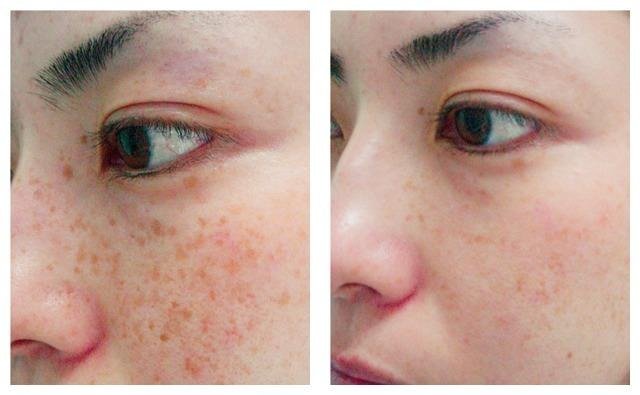
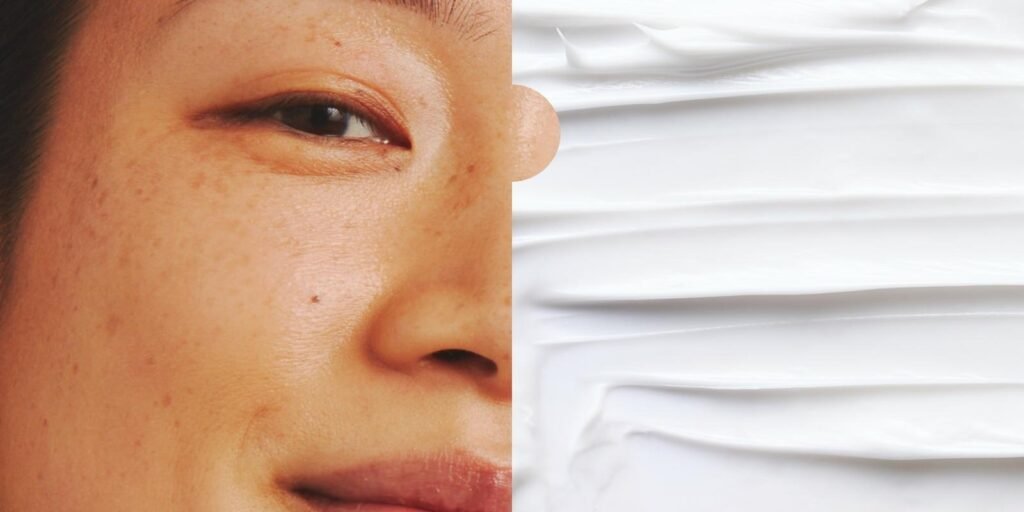
Correct application significantly improves both safety and effectiveness.
Typical recommendations include:
- Apply a thin layer once daily initially
- Use only on affected pigmented areas
- Avoid excessive application
- Wash hands after use
Applying larger amounts does not improve results faster and may increase irritation.
Many patients begin treatment gradually to improve tolerability.
Common Side Effects
Like many active dermatological treatments, hydroquinone may cause:
- Dryness
- Mild redness
- Peeling
- Temporary irritation
- Increased sensitivity during early treatment
These reactions are often most noticeable during the first weeks.
Improper long-term use without supervision may increase the risk of complications such as exogenous ochronosis, a rare but serious pigmentation disorder associated with prolonged misuse.
Long-Term Management of Melasma
Melasma is often chronic and recurrent.
Even after successful fading, triggers such as:
- Sun exposure
- Hormonal fluctuations
- Heat
- Inflammation
may reactivate pigmentation.
Because of this, long-term management often includes:
- Maintenance skincare
- Continuous sunscreen use
- Periodic treatment cycles
- Trigger reduction strategies
Patients frequently require ongoing maintenance rather than a one-time treatment approach.
Clinical Information
For medically reviewed information about hydroquinone therapy and pigmentation treatment safety, see this clinical overview of hydroquinone mechanism and dermatological use:
hydroquinone clinical mechanism and safety overview
Conclusion
4% Hydroquinone cream (Melalite) remains one of the most effective topical treatments for melasma and persistent hyperpigmentation. By directly suppressing melanin production, it can gradually improve uneven skin tone and fade stubborn discoloration over time.
When combined with proper application, sun protection, and long-term skin management strategies, hydroquinone therapy can provide substantial improvement in even difficult pigmentation disorders.
