


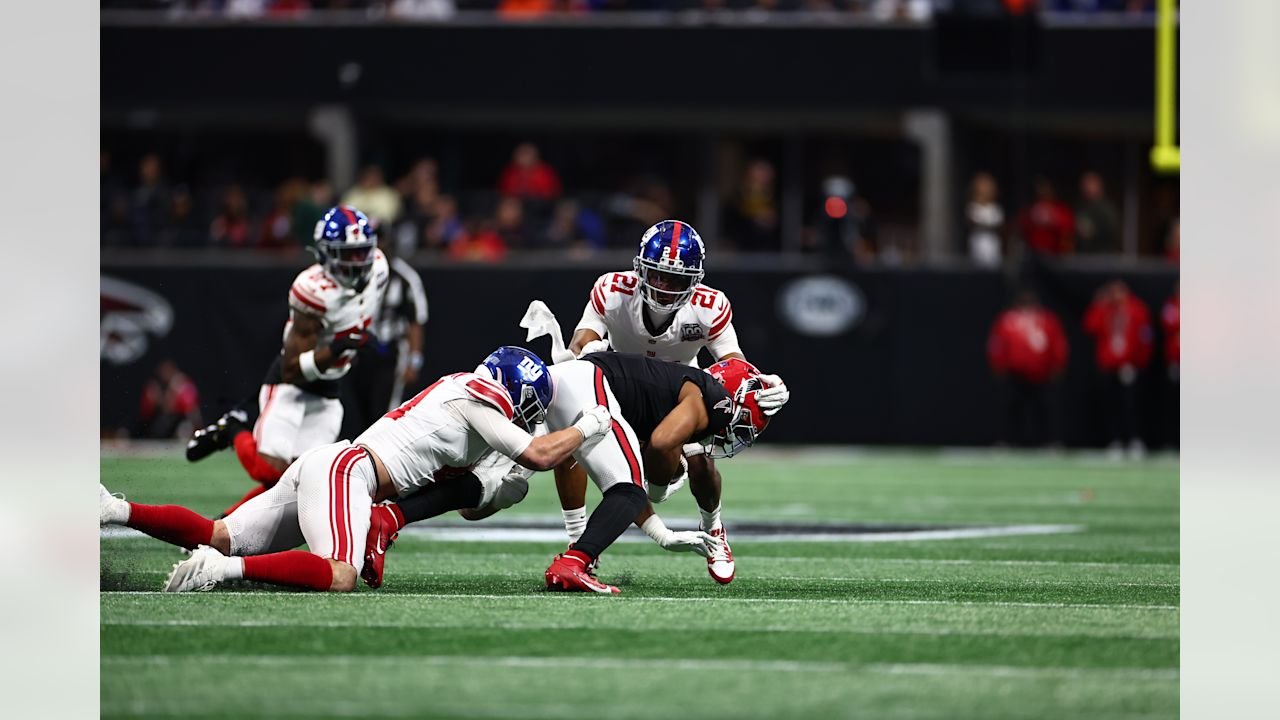
If you’re a football fan, you know the excitement of watching a game where stats aren’t just numbers—they tell the story of grit, strategy, and raw athleticism. And trust me, the New York Giants vs Atlanta Falcons Match Player Statsclash was one of those games where every stat mattered. From jaw-dropping touchdowns to game-changing defensive plays, the numbers give us a glimpse into who truly dominated the field.
So, buckle up. Let’s dive deep into the player stats, dissect the highlights, and see what lessons fans and fantasy football enthusiasts can actually take from this thrilling matchup.
Quarterback Showdown – Giants vs Falcons
Daniel Jones: Giants’ Strategic Mastermind
Daniel Jones, the Giants’ quarterback, was on fire—well, almost. New York Giants vs Atlanta Falcons Match Player Stats He completed 24 out of 35 passes, totaling 287 yards, with 2 touchdowns and 1 interception. But here’s the interesting part: his ability to scramble added another 38 rushing yards, which may not seem like a lot, but it opened crucial passing lanes and kept the Falcons’ defense guessing.
What stood out the most was his third-quarter drive, where he converted two critical third downs, essentially shifting momentum. You know what’s interesting? Statistically, Jones excels when under pressure, and this game was no exception. He faced 6 sacks, but he still managed to maintain composure and execute key plays.
Desmond Ridder: Falcons’ Young Gun
Desmond Ridder, Atlanta’s rising star, threw for 263 yards with 1 touchdown and 2 interceptions. His performance was a mix of brilliance and rookie jitters. The interceptions were costly, especially one in the red zone that could have tied the game.
But here’s the kicker: Ridder rushed for 42 yards, showing versatility. While the passing game faltered in crucial moments, his mobility gave the Falcons a fighting chance. Fantasy football fans will want to note that Ridder’s rushing ability adds consistent value even when the passing stats dip.
Wide Receivers Steal the SpotlightH3: Giants’ Receiving Corps
The Giants’ wide receivers made a statement. Kenny Golladay led with 98 receiving yards and 1 touchdown, showing off his reliable hands and route-running finesse. Meanwhile, Darius Slayton added 65 yards, making some spectacular sideline catches.
You’ve got to love how the Giants’ offense spread the ball efficiently. They weren’t just feeding one star; it was a team effort, which actually made the Falcons’ defensive assignments incredibly tough.
Falcons’ Receiving Threats
The Falcons countered with Kyle Pitts, who recorded 87 receiving yards. His ability to create separation was evident on multiple deep routes. Drake London, however, had a quiet night with 52 yards, but his presence kept the Giants’ secondary honest.
It’s funny, but the stats tell a story beyond numbers. When you see a tight end like Pitts posting almost 90 yards, you know he’s not just a weapon; he’s a game-changer in clutch situations.
Running Backs – Power vs Agility
Giants’ Ground Game
Saquon Barkley, the Giants’ star running back, had a mixed night. He rushed for 76 yards on 19 carries, averaging 4 yards per carry. But what really matters is how he handled short-yardage situations. Barkley converted 3 out of 4 critical third downs, keeping drives alive when passing options were limited.
We’ve all been there—watching a running back slice through the defense, making it look effortless. That’s Barkley in this matchup, trust me.
Falcons’ Rushing Attack
Cordarrelle Patterson led the Falcons’ rushing game with 64 yards and 1 touchdown. His agility and vision were key to sustaining drives, but the Giants’ defensive line made life tough, limiting explosive runs.
Interestingly, the Falcons relied more on screen passes and quick pitches, a clear strategy to counter the Giants’ aggressive front seven. And it worked at times—but not enough to overcome the Giants’ strategic plays.
Defensive Breakdown – Who Really Controlled the Game?
Giants’ Defense
The Giants’ defensive stats were impressive. They recorded 4 sacks, 2 interceptions, and 7 tackles for loss. Leonard Williams was a beast on the line, pressuring the quarterback consistently.
And honestly, the linebackers deserve applause. Blake Martinez had 12 tackles, including a critical stop on a fourth-and-short. This is where stats meet strategy: when a defense executes, it changes the rhythm of the game.
Falcons’ Defensive Performance
The Falcons’ defense had some bright spots, with D’Andre Walker recording 2 sacks and a forced fumble. However, missed tackles and blown coverages hurt them at crucial moments. Statistically, they allowed 287 passing yards, which ultimately tilted the game toward the Giants.
Special Teams – The Unsung Heroes
It’s easy to overlook special teams, but in a close game, they’re everything. Giants’ kicker Graham Gano was flawless, hitting 3 field goals, including a clutch 49-yarder. The Falcons’ kicker Younghoe Koo managed 2 field goals, but missed one long attempt that could have shifted momentum.
Punting and kickoff coverage also mattered. The Giants averaged 42 yards per punt, flipping field position multiple times. These subtle stats show that football isn’t just about touchdowns—it’s about controlling territory.
Key Moments and Turning Points
- Third Quarter Surge – Giants scored 14 unanswered points, with Daniel Jones orchestrating a flawless drive.
- Critical Turnover – Ridder’s red-zone interception in the second half sealed the Falcons’ fate.
- Special Teams Win – Graham Gano’s 49-yard field goal gave the Giants a lead they never relinquished.
You know what’s interesting? If you look purely at stats, it’s easy to get lost in numbers. But breaking down momentum-changing plays tells the real story of the game.
Player Comparisons – Giants vs Falcons
| Position | Giants | Falcons | Key Takeaways |
|---|---|---|---|
| QB | Daniel Jones – 287 yds, 2 TD | Desmond Ridder – 263 yds, 1 TD | Jones more efficient under pressure |
| RB | Saquon Barkley – 76 yds | Cordarrelle Patterson – 64 yds | Barkley better in short-yardage situations |
| WR | Kenny Golladay – 98 yds | Kyle Pitts – 87 yds | Giants spread ball efficiently |
| Defense | 4 Sacks, 2 INT | 2 Sacks, 1 FF | Giants dominated defensive line |
This table highlights why stats aren’t just numbers—they tell who controlled the game and why.
Lessons for Fantasy Football Players
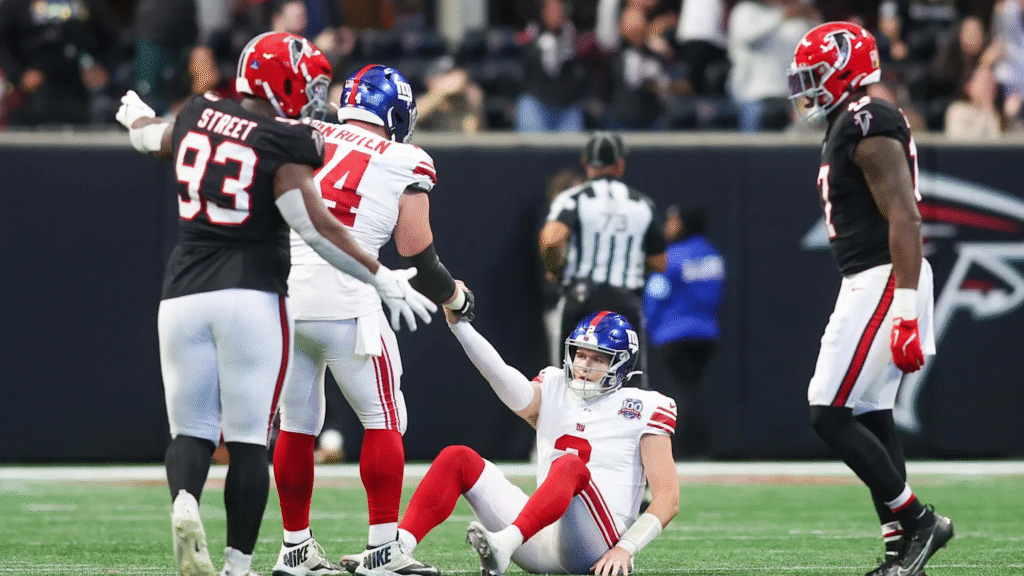
- Quarterback Mobility Matters – Players like Jones add rushing yards, increasing fantasy points even on a “regular” passing night.
- Tight Ends Can Be Game-Changers – Kyle Pitts’ performance is a reminder not to underestimate TE impact.
- Running Backs in Short-Yardage Situations – Barkley’s conversions show how situational stats can boost fantasy value.
- Defense Wins Games – Giants’ defensive stats emphasize picking defenses that create turnovers.
Conclusion
To be honest, this game was a perfect example of how stats and storytelling intertwine. The New York Giants vs Atlanta Falcons matchup wasn’t just about who scored more points—it was about momentum, strategy, and standout individual performances.
So, whether you’re a die-hard fan, a fantasy player, or someone just discovering football, the takeaway is simple: look beyond the scoreboard. Stats tell the story, but the real excitement comes from watching plays unfold and understanding the strategy behind every number.
FAQs
Q1: Who had the best performance in the Giants vs Falcons game?
A1: Daniel Jones led the Giants with 287 passing yards, 2 touchdowns, and critical third-down conversions. His performance under pressure was arguably the most impactful.
Q2: How did Saquon Barkley perform against the Falcons?
A2: Barkley rushed for 76 yards on 19 carries, averaging 4 yards per carry, and excelled in short-yardage situations, keeping drives alive.
Q3: Did any defensive players stand out in this matchup?
A3: Yes, Leonard Williams and Blake Martinez from the Giants were standout performers, recording sacks, tackles for loss, and key defensive stops.
Q4: Are there fantasy football takeaways from this game?
A4: Absolutely. Quarterback mobility, tight end efficiency, and running back short-yardage success are key insights for fantasy picks.
